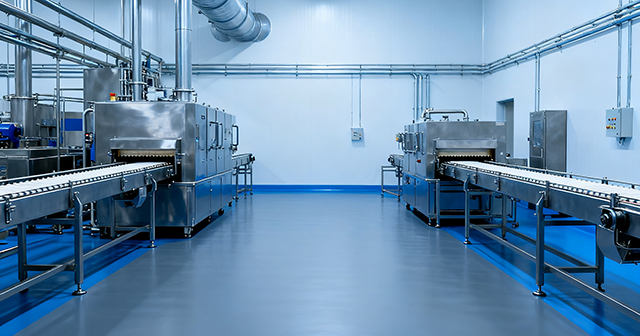







prefabricated vegetable processing
01
rapid market growth
In recent years, the size of the prefabricated vegetable market has shown a rapid growth trend. In 2024, the scale of China's prefabricated vegetable market has exceeded 560 billion yuan, and it is expected to reach more than 650 billion yuan by 2025, with an average annual compound growth rate of about 18%, and the market potential is huge.
02
Product category rich
Covers a variety of types such as instant heat, instant cooking, instant dispensing, etc. Instant hot pot such as self-heating hot pot, instant rice, etc. That is, cooking such as semi-finished clean dishes, seasoned prefabricated main dishes, etc. That is, matching such as cut side dishes, etc., can meet the needs and cooking habits of different consumers.
03
High dependence on technology
Need advanced frozen lock fresh, vacuum packaging technology to ensure product quality and shelf life. At the same time, the application of intelligent production lines and automation equipment has gradually become popular to improve production efficiency and product standardization.
Our Advantages
Industry pain points
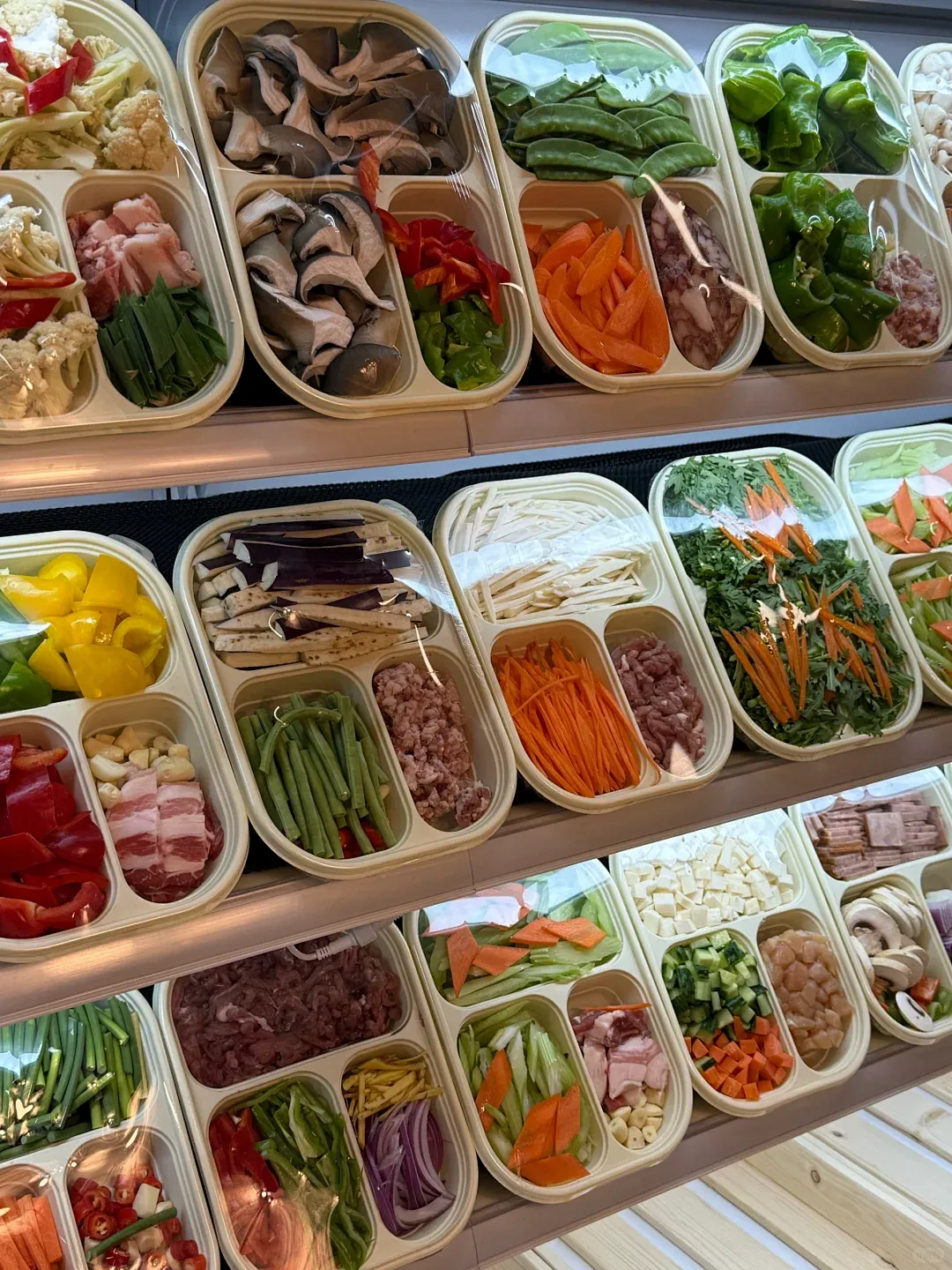
Cost-effective is not high
On the one hand, in order to ensure the quality, enterprises invest a lot in the procurement and processing of food materials, which leads to the increase of cost and high price; on the other hand, some consumers reflect that there is a gap between the taste of prefabricated vegetables and that of hall food, which makes the prefabricated vegetables lack competitiveness in terms of cost performance, which affects the re purchase rate of consumers.
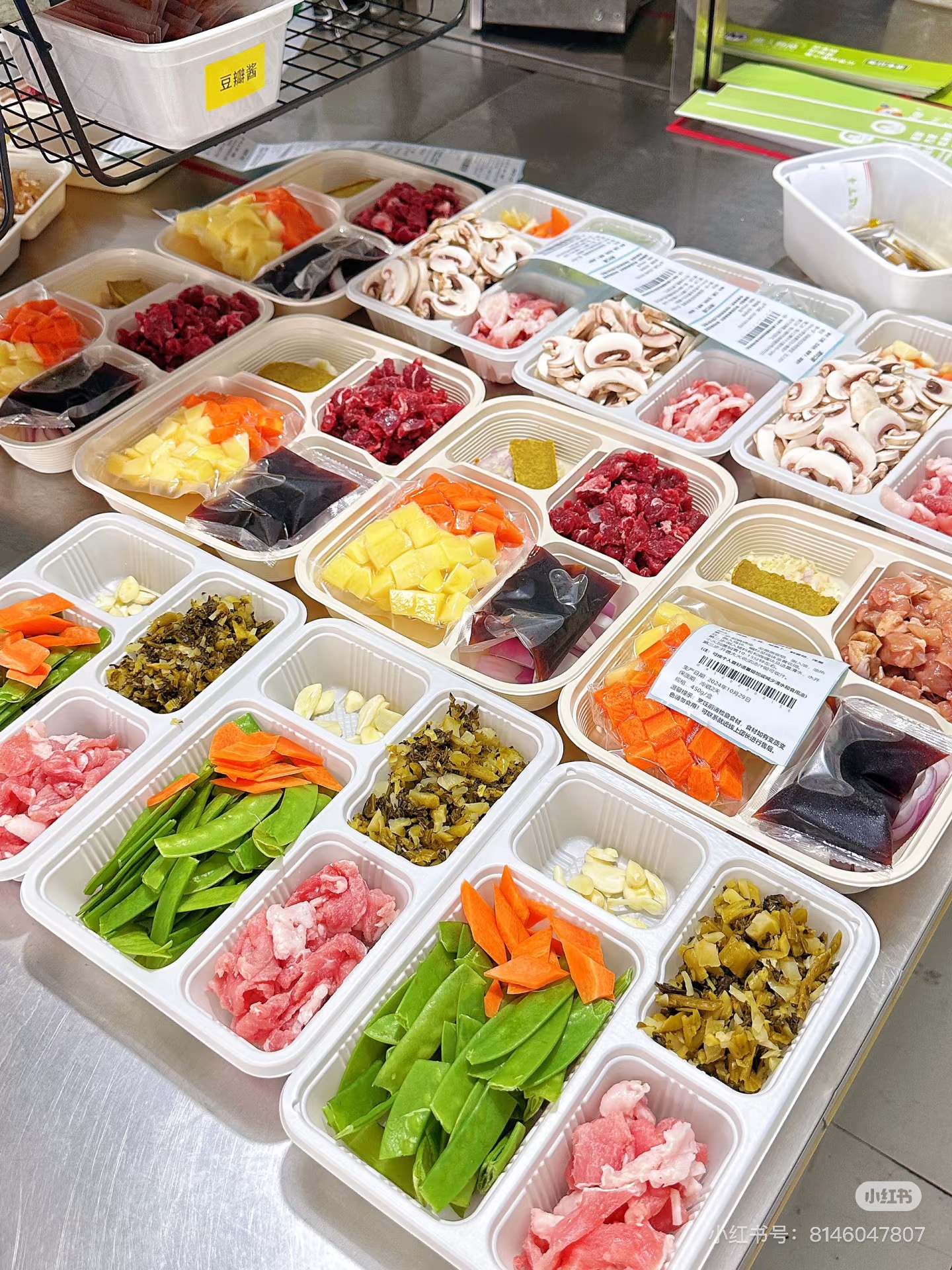
Industry standards are not perfect
At present, the prefabricated vegetable industry lacks a unified national standard, and there are irregularities in product quality, labeling, and the use of additives. This not only affects consumers' trust in products, but also is not conducive to the healthy development of the industry.
Solution
Solution
Optimize cost control
Enterprises can establish stable raw material procurement channels and establish long-term cooperative relations with suppliers to reduce raw material procurement costs. At the same time, improve production efficiency, optimize processing technology, reduce unnecessary links and waste, and reduce production costs.
Strengthen inventory management
Use big data and information technology to accurately predict market demand and reasonably arrange production and inventory according to the forecast results. Establish an advanced inventory management system to monitor inventory levels in real time and realize dynamic adjustment and optimization of inventory.
Promote industry standardization construction
The government and industry associations should speed up the formulation and improvement of relevant standards for the prefabricated vegetable industry, including product quality standards, production process standards, and labeling standards. Enterprises should strictly abide by relevant standards, strengthen self-discipline, improve product quality and safety, and enhance the overall image of the industry.